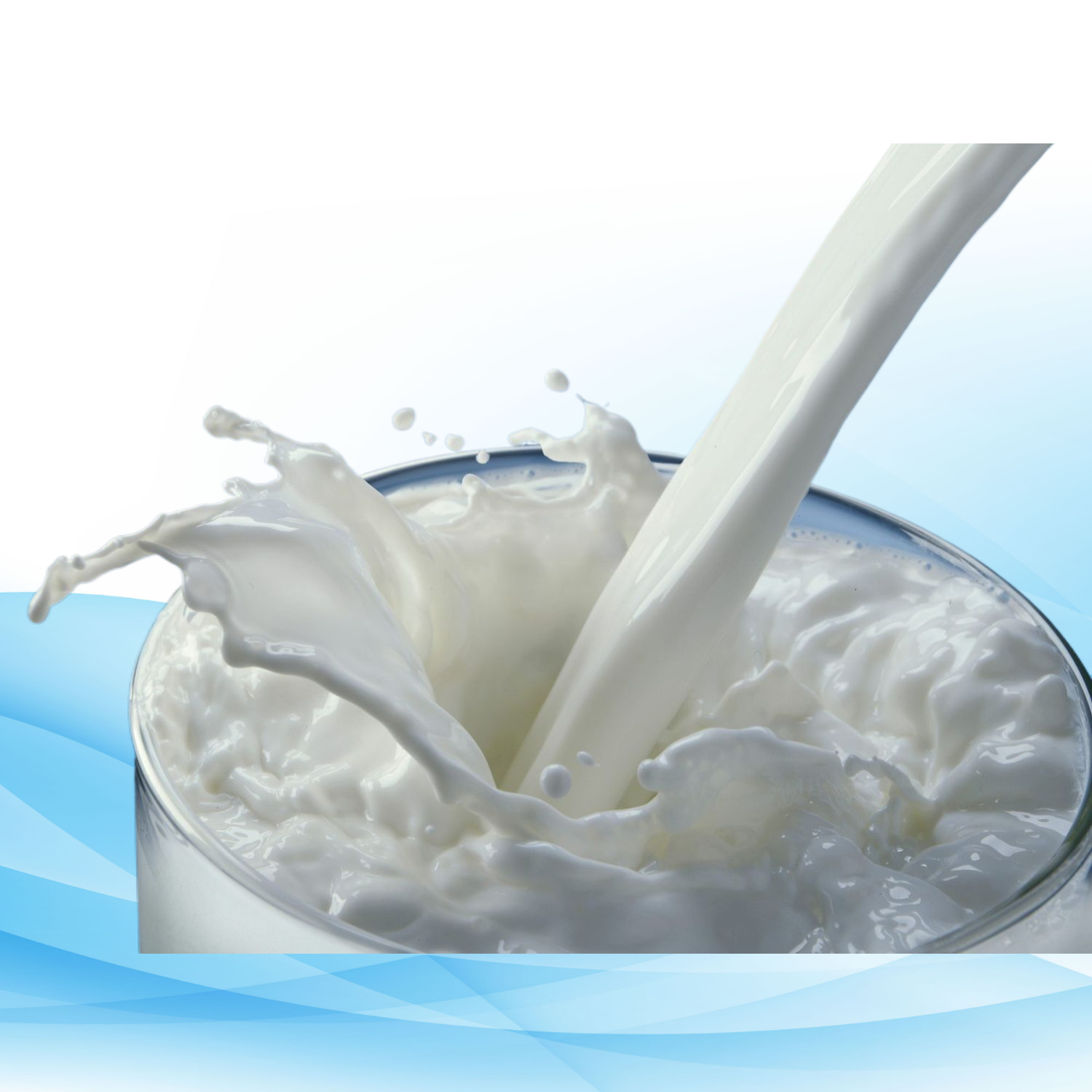
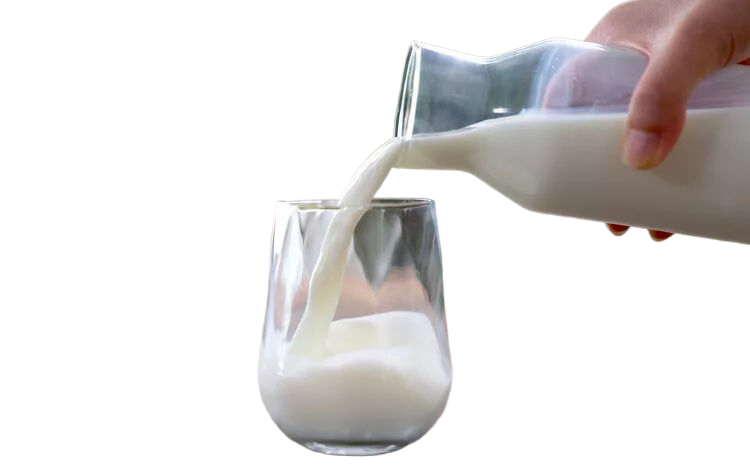
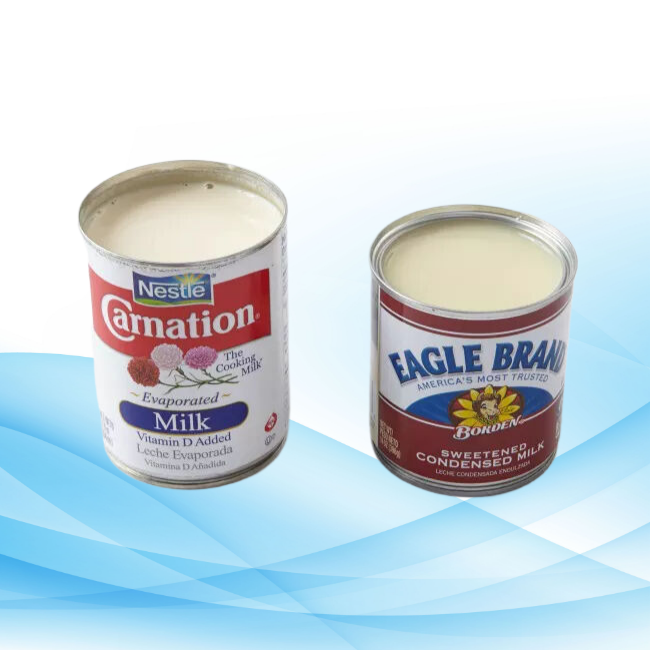
Homogenized milk is any milk that has undergone mechanical processing to ensure it has a smooth, uniform consistency. The homogenization process typically involves heating, agitation, and filtration, all aimed at breaking down the naturally occurring fat molecules in milk. Once broken, these molecules remain suspended in the milk and resist separation. This process makes it easier for producers to filter out fat and extend the milk’s shelf life.

The Homogenization Process
In homogenized milk, the fat molecules are reduced in size and dispersed to prevent cream from settling on the surface of the milk.
The process of homogenization involves several key steps:
- Heating: Milk is heated to make the fat molecules more pliable and easier to break down.
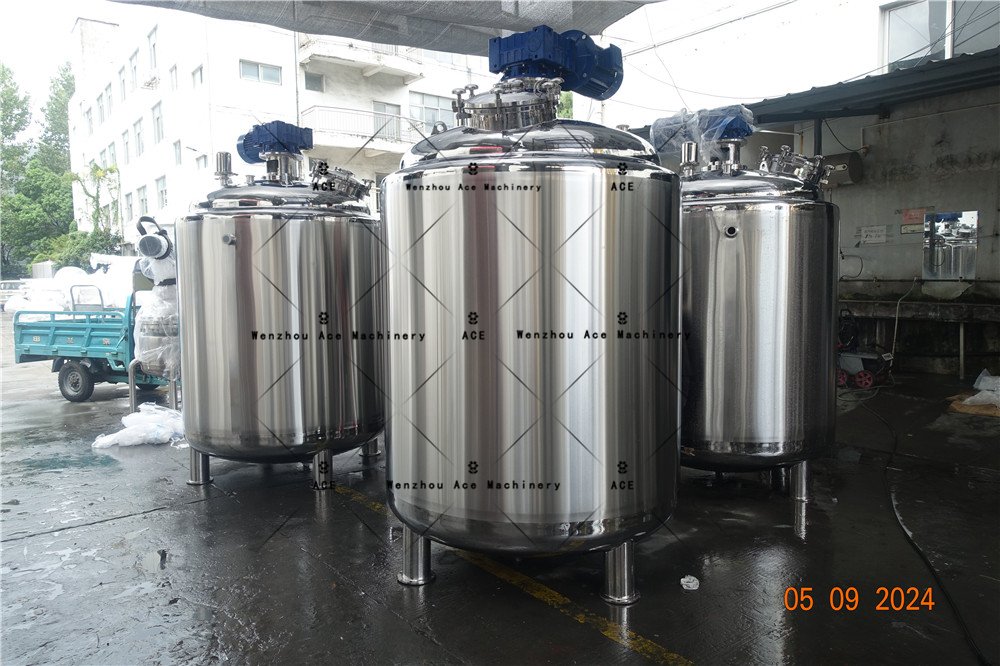
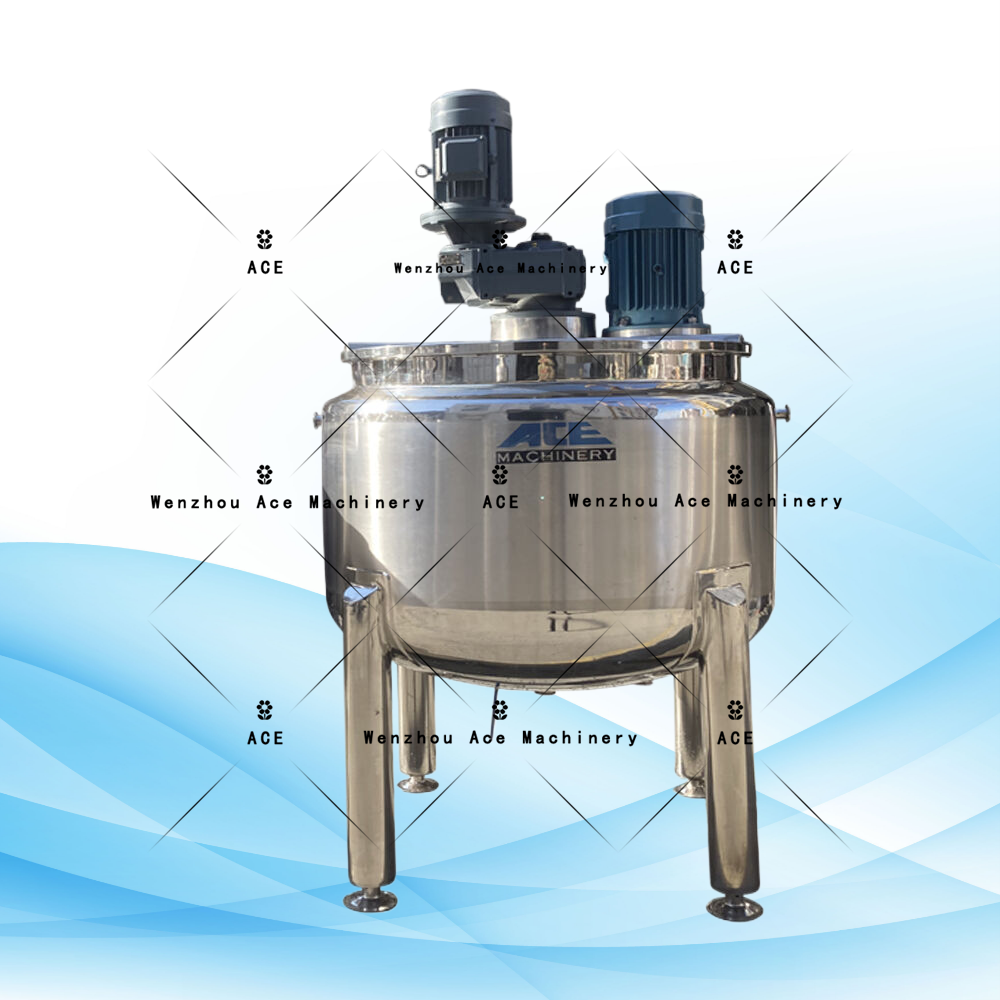
- Agitation: The milk is placed in a large vat or barrel that spins at high speed. This agitation creates turbulence that starts breaking down the fat.
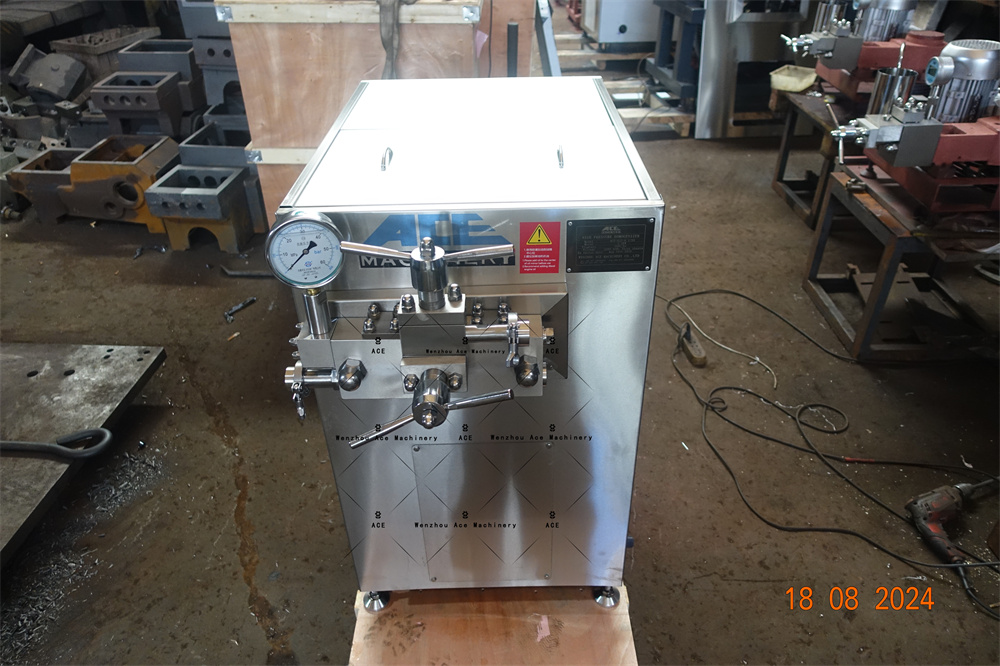
- Filtration: The milk is then forced through narrow sieves or filters, which further break down the fat molecules to fit through tiny pores. Modern homogenization techniques can reduce fat molecules by nearly 500 times their original size.
Why Need to Homogenize Milk?
Milk is a mixture of fat, protein, and water. When raw milk sits for a while, the fat molecules usually float to the top, forming a cream layer. Many farmers and raw milk enthusiasts consider this creaminess a quality indicator: the thicker the cream, the better the milk. However, for many people, this separation is inconvenient and can be a barrier to consuming the liquid.
Homogenization allows milk producers to mix cream and milk into a single, cohesive liquid. This process is purely mechanical, involving no additives or chemical treatments. The primary goal of homogenization is to reduce the size of the fat molecules in milk, as smaller molecules tend to remain suspended in the liquid. Only larger globules float to the top.
Historical Background and Early Innovations
The first homogenized milk was produced by August Gaulin of France, who patented a three-piston machine equipped with miniature filtration tubes in 1899. Modern agitation and filtration mechanisms have improved on this model, enabling today’s tools to achieve even smaller fat molecules than Gaulin could have imagined. Despite these advancements, the basic concept remains the same.
Benefits of Homogenization
- Consumer Preference: Homogenization is popular among dairy farmers and producers because it meets consumer preferences for a smooth, consistent product.
- Mixing Efficiency: In larger farms, the process makes it easier to blend milk from different herds. Simply mixing milk from two cows or goats doesn’t always yield a consistent product, as varying chemical compositions can cause separation and flavor differences. Homogenization ensures a uniform product, even from diverse batches.
- Extended Shelf Life: Homogenized milk has a longer shelf life because the cream cannot rise to the top and clump together. This advantage allows it to be transported over greater distances, making it easier for large dairy plants to do business with buyers in various locations. Consumers also appreciate milk that stays fresh longer; once opened, homogenized milk typically lasts a week or more, while separated milk often needs to be consumed within a few days.
- Fat Removal: The filtration part of the process also makes it easier for farmers to remove a certain percentage of fat. In whole milk, all the filtered fat is added back. For 2%, 1%, and skim milk, varying amounts of fat are removed and discarded or used for other purposes, such as making ice cream or butter. Skimming the cream to a measured percentage, combined with homogenization, makes the calculation more efficient and precise.
Omogeneizzazione e pastorizzazione
La maggior parte dei prodotti lattiero-caseari venduti nei supermercati statunitensi è sia pastorizzata che omogeneizzata. Sebbene questi termini siano spesso usati insieme, rappresentano processi diversi. Nella pastorizzazione, il latte viene riscaldato a una temperatura elevata e poi rapidamente raffreddato per uccidere i microrganismi. La pastorizzazione spesso modifica il sapore del latte, ma molte persone la considerano essenziale per garantire la sicurezza del latte.
L'omogeneizzazione, invece, non è correlata alla sicurezza ma piuttosto all'estetica e alle preferenze di gusto. È possibile avere latte omogeneizzato ma non pastorizzato, o pastorizzato ma non omogeneizzato. Tuttavia, quando entrambi i processi vengono eseguiti, l'omogeneizzazione di solito segue la pastorizzazione, poiché le alte temperature della pastorizzazione rendono più facile la rottura dei grassi.
Requisiti normativi
I governi generalmente non impongono l'omogeneizzazione del latte, in parte perché si tratta di un processo strettamente meccanico. Tuttavia, il latte viene trattato in questo modo così frequentemente che alcuni governi sono intervenuti nel processo di etichettatura. Ad esempio, negli Stati Uniti, la definizione governativa di “latte” presume che sia stato omogeneizzato. Ciò significa che i produttori non devono specificare che il loro latte è omogeneizzato a meno che non si discosti dalla norma.
Considerazioni sulla salute e controversie
Il latte omogeneizzato è generalmente considerato sicuro ed è da tempo ritenuto più facile da digerire rispetto al latte con panna naturale. Tuttavia, vi sono alcune controversie riguardo al fatto che forzare la separazione della panna possa avere effetti negativi sulla salute.
Una sfida per il latte omogeneizzato è il potenziale legame con l'accumulo di placca arteriosa. Alcuni ritengono che le molecole di grasso più piccole e instabili prodotte dall'omogeneizzazione possano aderire più facilmente alle pareti delle arterie cardiache, potenzialmente causando ostruzioni e altri problemi cardiovascolari. Sebbene questa teoria abbia attirato attenzione, ricerche sostanziali sembrano confutarla e non ci sono prove sufficienti per trarre una conclusione definitiva.
Conclusione
Gli impianti di lavorazione lattiero-casearia sono responsabili sia della pastorizzazione che dell'omogeneizzazione del latte prima dell'imbottigliamento per la vendita ai consumatori. L'omogeneizzazione garantisce una consistenza liscia che soddisfa le preferenze dei consumatori aumentando al contempo la durata di conservazione; sebbene il processo abbia subito numerosi miglioramenti nel tempo, il suo obiettivo principale è rimasto lo stesso: produrre prodotti di alta qualità e costanti che i consumatori apprezzano.